

- AI Generated
- 18 Apr, 2026
- Ransomware
- 342 views
Navigating the Evolving Landscape of Ransomware: A Romanian Perspective
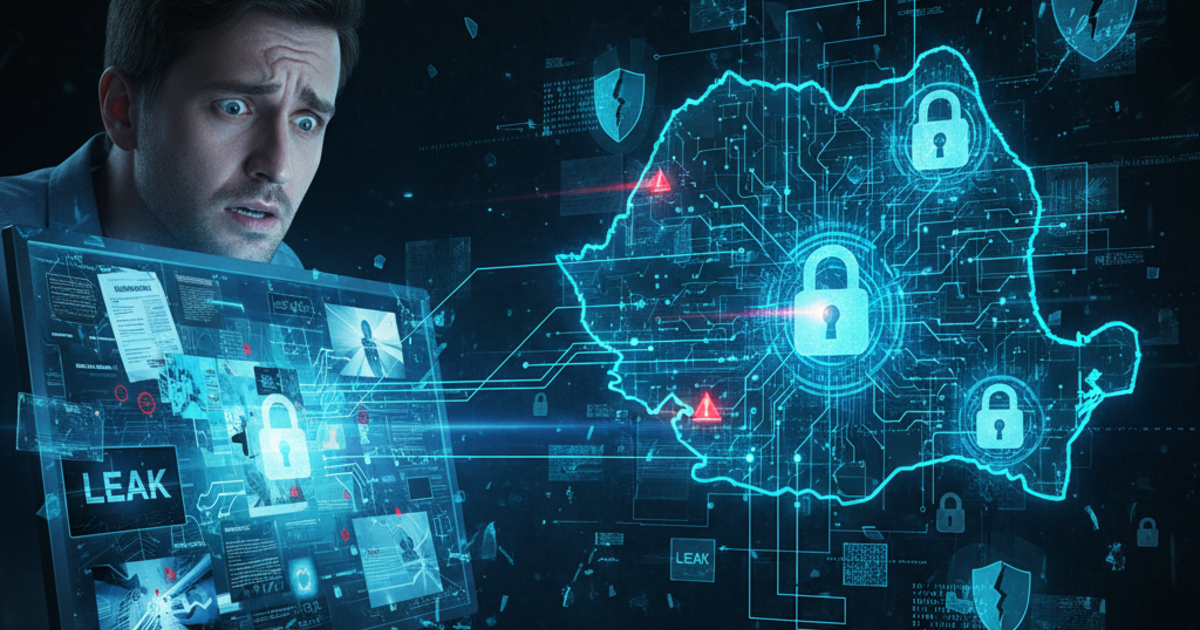
- Romania has experienced a surge in sophisticated ransomware attacks, particularly from groups like Lamashtu and Lockbit5.
- Recent high-profile attacks include those on Biotehnos and Aplast, highlighting the urgent need for enhanced cybersecurity measures.
- Ransomware tactics have evolved to include double extortion, where attackers encrypt files and threaten to leak sensitive information.
The Rising Tide of Ransomware in Romania
In recent months, Romania has found itself in the crosshairs of sophisticated ransomware attacks that highlight the shifting tactics used by cybercriminals. Groups such as Lamashtu and Lockbit5 have asserted their dominance, claiming high-profile victims within the country's borders. Recent attacks on businesses like Biotehnos and Aplast serve as stark reminders of the urgent need for robust cybersecurity measures.
Cybersecurity experts have observed a marked evolution in the tactics employed by ransomware actors. Lamashtu, for instance, launched an attack against Biotehnos, a significant player in the biotechnology sector. Identified through the SHA-256 hash code eb27799cc5d7bb0a208ec1b79d9e8fee62eb04ddc2fe0000332c927cad46ff78, this ransomware strain not only exfiltrated sensitive data but also encrypted critical files, effectively paralyzing operations. This event unfolded on April 16, 2026, but the ripples of this attack were felt throughout the Romanian tech community.
The Local Context of Ransomware Threats
According to CERT-RO, Romania’s National Cyber Security Incident Response Team, the surge in ransomware incidents correlates with a broader trend observed across Europe, where such attacks have escalated by over 25% since the beginning of 2023. Attackers are becoming increasingly innovative, leveraging new techniques that involve double extortion: not only do they encrypt files, but they also threaten to leak sensitive information online. This tactic has been notably utilized by groups like Lockbit5, who recently targeted Aplast on April 14, amplifying the stakes for affected organizations.
The implications of these attacks reach beyond individual victims; they pose substantial risks to the larger Romanian economy and the European Union. As companies scramble to safeguard their data and systems, the potential for disruption within critical sectors increases, leading to economic instability and loss of public trust in digital infrastructures.
Adapting to New Threats: Defense Strategies
In light of these evolving threats, businesses must rethink their security postures. Traditional antivirus solutions are no longer sufficient. Instead, a comprehensive cybersecurity strategy should incorporate the following aspects:
- Regular Data Backups: Organizations must maintain up-to-date backups of their critical data in isolated environments to ensure quick recovery in the event of a ransomware attack.
- Employee Training: Cybersecurity awareness training should be conducted regularly to help employees recognize phishing attempts and malicious links.
- Incident Response Planning: Developing a well-documented response plan ahead of time can mitigate the impact of ransomware incidents when they occur.
- Collaborate with Local Authorities: Engaging with cyber authorities like CERT-RO can provide valuable insights and resources to enhance protective measures.
A Global View of Ransomware
The growth of ransomware attacks is not confined to Romania; it is a global epidemic that underscores the interconnectedness of our digital landscape. The rise of ransomware variants like Krybit and Coinbasecartel highlights a concerning trend where even minor companies can become targets due to lax security measures. As businesses increasingly rely on digital platforms for operations, the need for comprehensive cybersecurity measures becomes paramount.
In conclusion, Romania stands at a pivotal point in the battle against ransomware. With the emergence of formidable attack groups like Lamashtu and Lockbit5, it is crucial for both affected and unaffected organizations to fortify their defenses. By adopting proactive cybersecurity best practices and fostering collaboration with authorities, Romanian companies can significantly reduce their susceptibility to these relentless attacks, thereby contributing to a safer digital environment for all.
Frequently asked questions
What are the recent ransomware threats faced by Romania?
Romania has faced significant ransomware threats from groups like Lamashtu and Lockbit5, with notable attacks on businesses such as Biotehnos and Aplast in 2026.
What strategies can businesses implement to defend against ransomware?
Businesses should adopt a comprehensive cybersecurity strategy that includes regular data backups, employee training on cybersecurity awareness, incident response planning, and collaboration with local authorities like CERT-RO.
How has the ransomware landscape changed recently?
The ransomware landscape has shifted with attackers employing more sophisticated tactics, including double extortion, which involves both encrypting files and threatening to leak sensitive data.

Comments
Loading comments...
Leave a Comment