
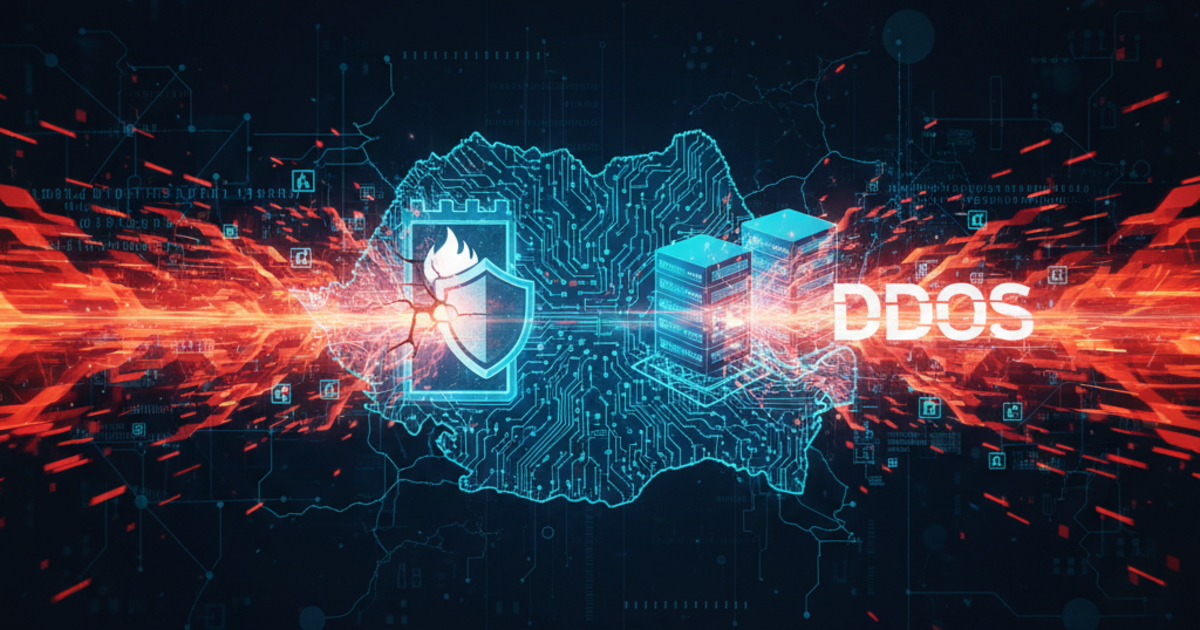
- AI Generated
- 11 Aug, 2026
- Ddos
- 289 views
DDoS Assaults Targeting Romania: A Growing Threat Landscape
Introduction: The Rising Tide of DDoS Assaults in Romania
In the last few weeks, Romania has witnessed a surge in Distributed Denial of Service (DDoS) attacks, with various sectors—including shipping, retail, and public services—falling victim to these disruptive tactics. The brazenness of the actors involved, including a group identified as noname057, presents a serious challenge to Romanian cybersecurity. This alarming trend not only threatens local entities but also resonates within the broader context of European cybersecurity stability.
Recent Incidents and Their Implications
On several occasions, attackers gained unauthorized access to critical internal systems such as the video surveillance mechanisms at a Tom Tailor clothing store and a Romanian nursing home, compromising sensitive information like daily operations and client privacy. Other notable targeted entities included Sigma Shipping Agency and Histria Shipmanagement, a shipping services company, both crucial to the Romanian maritime sector.
The fact that operations expected to remain confidential were exposed highlights significant flaws in the security architecture of these organizations. Moreover, these DDoS attacks could serve as a distraction, allowing malicious actors to initiate secondary hacking efforts, thereby compounding the risk.
Technical Analysis: How DDoS Attacks Work
Distributed Denial of Service (DDoS) attacks overwhelm targeted systems by flooding them with excessive traffic, effectively shutting them down or rendering them inaccessible. Attackers utilized a range of tactics, including traffic amplification and bot networks, to achieve their goals. The fact that Romania’s critical infrastructure is being targeted suggests a potential offensive strategy by adversaries, possibly with geopolitical motivations in mind.
Interconnected Risks: The Romanian and European Landscape
The implications extend far beyond Romania. DDoS attacks can disrupt supply chains, financial transactions, and public services, which can affect neighboring EU member states. The ripples of these attacks may compromise cross-border cooperation, which is essential for regional stability and security. As Romania continues to align closer with EU cybersecurity mandates, these incidents serve as a wake-up call for collaborative defenses.
Actionable Recommendations for Romanian Institutions
1. **Improved Network Segmentation**: Organizations should separate critical systems from public-facing services to minimize exposure. This layered security approach can drastically limit the potential impact of a DDoS attack.
2. **DDoS Mitigation Solutions**: Investing in dedicated DDoS mitigation tools and services that can identify and absorb such flood attacks is essential. Services like Cloudflare or Akamai could be explored to protect against volumetric attacks.
3. **Regular Security Audits and Awareness Training**: Institutions need to prioritize regular security audits to identify weak points in their security posture. Employee training on cybersecurity hygiene can also reduce risks from social engineering tactics that often accompany DDoS disruptions.
4. **Collaboration with CERT-RO**: Engaging with the Romanian Computer Emergency Response Team (CERT-RO) for guidance and threat intelligence can enhance the institutional defensive posture. Sharing incident information and best practices with CERT-RO can fortify collective cybersecurity efforts.
Conclusion: A Call to Action
As Romania faces these escalated DDoS threats, it is imperative for organizations to act urgently. By employing proactive measures and ensuring collaboration between public and private sectors, Romania can turn vulnerabilities into strengths, thereby ensuring a more resilient cybersecurity landscape amidst evolving threats.


Comments
Loading comments...
Leave a Comment