
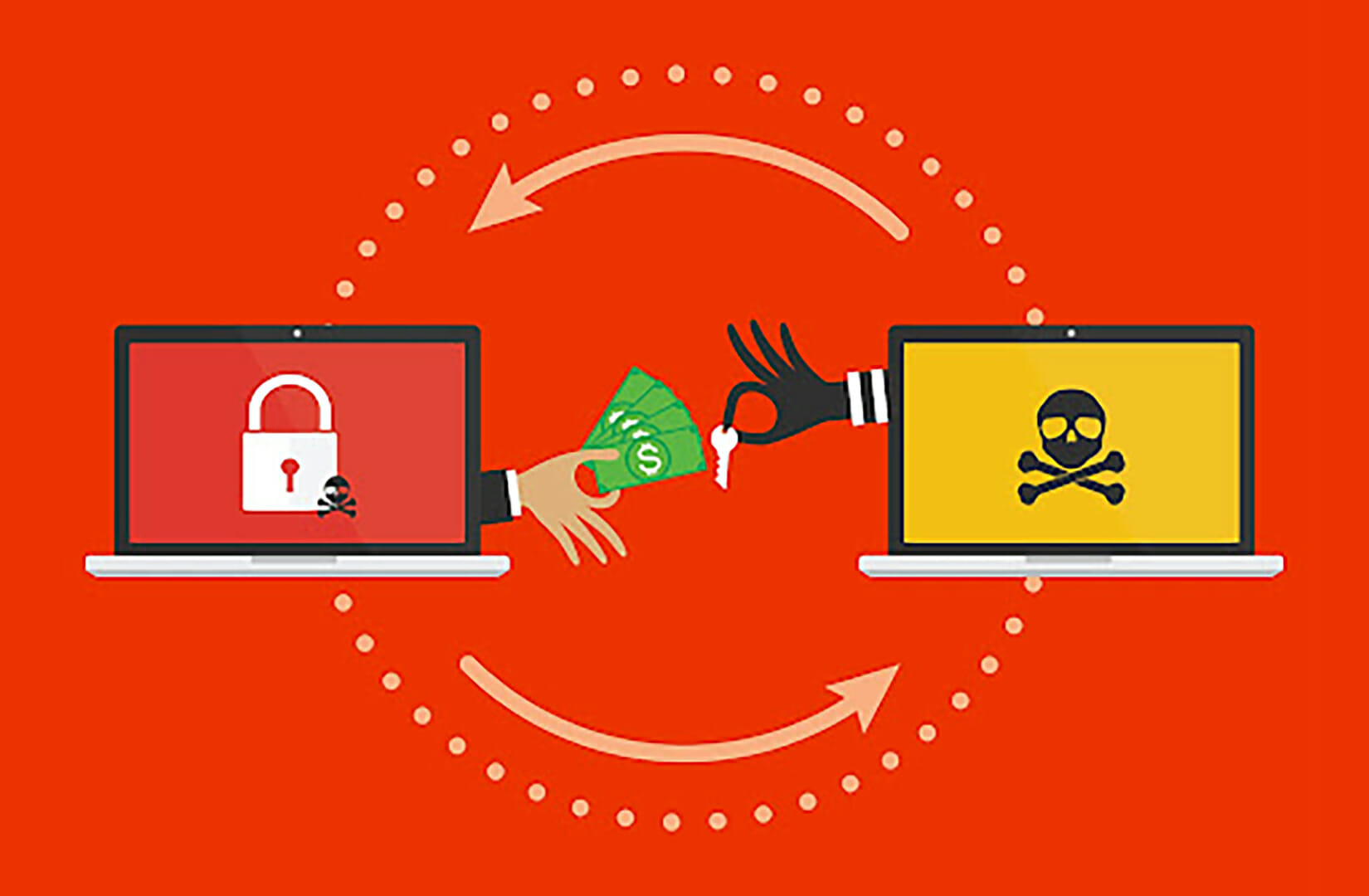
- AI Generated
- 19 Mar, 2026
- Ransomware
- 378 views
Emerging Ransomware Threats: A Look into Recent Attacks
- Ransomware attacks are on the rise, with attackers exploiting critical vulnerabilities in platforms like StudioCMS and SharePoint.
- The StudioCMS vulnerability (CVE-2026-32638) allows unauthorized access to user data via its compromised REST API.
- Ransomware groups such as Coinbasecartel and Dragonforce are actively targeting organizations like Tecnocad Group and vatractor.com.
- Organizations are urged to regularly update software, implement robust security measures, and back up critical data to defend against these threats.
- Monitoring network activity for unusual patterns is essential for early detection of potential breaches.
The Alarming Rise of Ransomware Attacks
As the digital landscape evolves, so do the threats lurking in the shadows. In the past 24 hours, several ransomware alerts have indicated a worrying trend. Attackers are actively exploiting critical vulnerabilities in well-known platforms, claiming new victims almost daily. The intensity of these attacks underscores the urgent need for organizations to bolster their cybersecurity measures.
Exploited Vulnerabilities
One of the more concerning alerts came from the StudioCMS, a content management system, which was found to have a critical vulnerability (CVE-2026-32638). The getUsers endpoint within the REST API has been compromised, allowing attackers to manipulate its functionality. This is not an isolated incident, as another alert revealed unknown attackers exploiting a critical SharePoint bug. Such vulnerabilities provide attackers with gateways to infiltrate and disrupt business operations.
- StudioCMS CVE-2026-32638: Risk of unauthorized access to user data.
- SharePoint Vulnerability: Unknown actors taking advantage of configuration flaws.
Recent Victims
Notably, the Coinbasecartel and Dragonforce ransomware groups have claimed responsibility for attacks on Tecnocad Group and vatractor.com respectively. These incidents highlight the operational capabilities of these ransomware actors, as they seem to continuously evolve and adapt their strategies.
“Ransomware groups such as Akira and Dragonforce demonstrate a highly organized and persistent effort to compromise unsuspecting organizations.”
Actionable Recommendations
Organizations must take proactive steps to defend against ransomware threats:
- Regularly update software: Ensure that all systems, especially those connected to the internet, are up to date to patch vulnerabilities.
- Implement robust security measures: Utilize firewalls, intrusion detection systems, and employee training to mitigate risks.
- Backup critical data: Regularly back up data and store it offline to ensure recovery in case of a ransomware incident.
- Monitor network activity: Continuously track and analyze network traffic for unusual patterns that may indicate a breach.
In conclusion, as ransomware attacks become more prevalent and sophisticated, organizations must remain vigilant and adapt to the changing threat landscape. Investing in cybersecurity is not just an option—it’s a necessity.
Frequently asked questions
What is the significance of the StudioCMS vulnerability (CVE-2026-32638)?
The StudioCMS vulnerability (CVE-2026-32638) poses a risk of unauthorized access to user data, as attackers can manipulate the functionality of the compromised getUsers endpoint within the REST API.
What steps can organizations take to protect themselves from ransomware attacks?
Organizations can protect themselves by regularly updating software, implementing robust security measures like firewalls and intrusion detection systems, backing up critical data offline, and continuously monitoring network activity for unusual patterns.
Which ransomware groups are currently active according to the article?
The article mentions the Coinbasecartel and Dragonforce ransomware groups as being active and responsible for recent attacks on Tecnocad Group and vatractor.com, respectively.


Comments
Loading comments...
Leave a Comment