

- AI Generated
- 30 Apr, 2026
- Malware
- 332 views
The Underbelly of Cyber Attacks: Unraveling the Fast16 Malware Threat
- Fast16 malware primarily spreads through phishing campaigns and malicious attachments targeting organizations in Eastern Europe.
- Once installed, Fast16 uses persistence mechanisms like modifying system registries to maintain its presence on infected systems.
- The command and control infrastructure of Fast16 is decentralized and increasingly cloud-based, complicating detection and takedown efforts.
Understanding Fast16 Malware
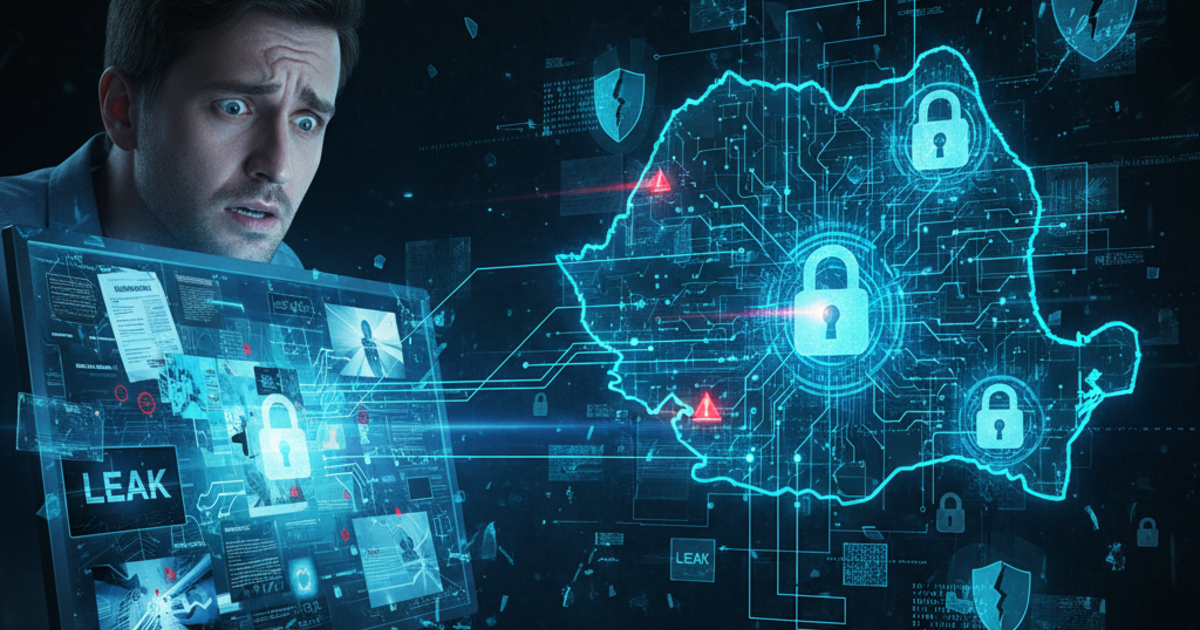
In the ever-evolving landscape of cybersecurity threats, Fast16 malware has emerged as a significant concern, particularly for organizations in Eastern Europe. With its sophisticated techniques and persistent nature, it poses a challenge as cybercriminals adapt continuously. This article delves into the infection chain, persistence mechanisms, and command and control (C2) infrastructure of Fast16, shedding light on its regional implications.
The Infection Chain
Fast16 typically enters systems through phishing campaigns or malicious attachments, leveraging social engineering to trick victims. Once downloaded, it executes a series of commands that lay the groundwork for further exploitation. The initial payload often includes a dropper that extracts the main malicious components and establishes a foothold in the infected system.
Given that many organizations in Romania and surrounding Eastern European countries utilize outdated security measures, the chances of infection increase significantly. Attackers often target high-value entities such as governmental institutions and financial organizations, further underscoring the local context of this threat.
Persistence Mechanisms
Once inside, Fast16 employs various tactics to maintain its presence on the compromised systems. One of these methods includes modifying system registries and task schedulers to ensure it relaunches after system reboots. Additionally, by disguising itself within legitimate processes, it can evade detection by traditional security solutions.
In Romania, the national Computer Security Incident Response Team (CERT-RO) has raised alarms regarding malware threats. The persistence techniques used by Fast16 underscore the need for robust mitigation strategies that go beyond basic detection.
Command and Control Infrastructure
The C2 infrastructure behind Fast16 is particularly intricate, often employing multiple servers distributed across various geographic locations. This decentralized approach not only enhances resilience against takedowns by law enforcement but also makes tracing the attackers challenging.
Recent reports have indicated a shift to cloud-based infrastructure for hosting C2 servers, making them harder to identify and disable. This trend is concerning for Romania and its EU partners as it allows for greater operational flexibility and anonymity for cybercriminals.
Regional Context and Implications
The rise of Fast16 and similar malware families significantly threatens Eastern Europe, with Romania being a primary target. As cybersecurity measures evolve, so do the tactics employed by cybercriminals. Local organizations must adopt proactive measures in collaboration with CERT-RO and other security entities to mitigate these risks. Enhanced awareness of phishing trends and rigorous updating of security protocols are essential for resilience against such malware intrusions.
As we continue to see advanced malware campaigns targeting both governmental and private sectors, understanding their operational frameworks is critical in bolstering cybersecurity defenses. The dialogue between security services, organizations, and the public must intensify to create a multifaceted approach to combat this growing menace.
Frequently asked questions
What is Fast16 malware and how does it infect systems?
Fast16 malware is a significant cybersecurity threat that typically infects systems through phishing campaigns or malicious attachments, using social engineering to deceive victims into downloading it.
What measures can organizations take to protect against Fast16 malware?
Organizations should adopt proactive measures such as collaborating with CERT-RO, enhancing awareness of phishing trends, and rigorously updating security protocols to mitigate the risks posed by Fast16 malware.
Why is the command and control infrastructure of Fast16 concerning?
The command and control infrastructure of Fast16 is concerning because it is decentralized and increasingly hosted on cloud-based servers, making it harder for law enforcement to identify and disable.

Comments
Loading comments...
Leave a Comment